Why prevention matters
Diabetes affects many people – and often their feet too. Poor circulation and nerve damage can mean that minor injuries go unnoticed. What starts out as harmless can develop into chronic wounds – sometimes with serious consequences.
But it doesn’t have to be that way: Taking early action can significantly reduce risks. Prevention protects not only the feet, but also your zest for life, mobility and independence. Every step towards mindfulness is a step towards a better quality of life.
The state of foot health
A recent GEHWOL survey of doctors, podiatrists and patients shows: awareness of preventive care is high – but there is still room for improvement when it comes to putting it into practice.
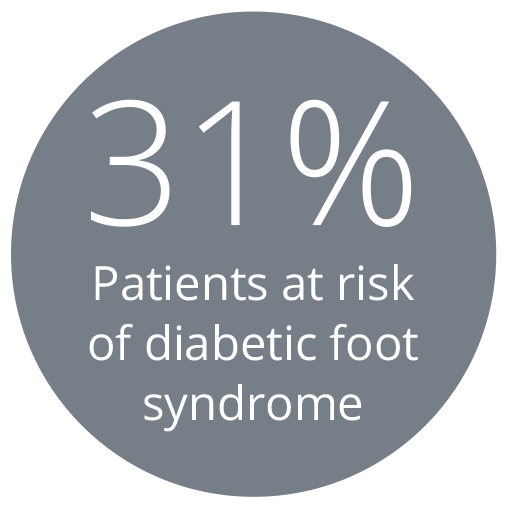
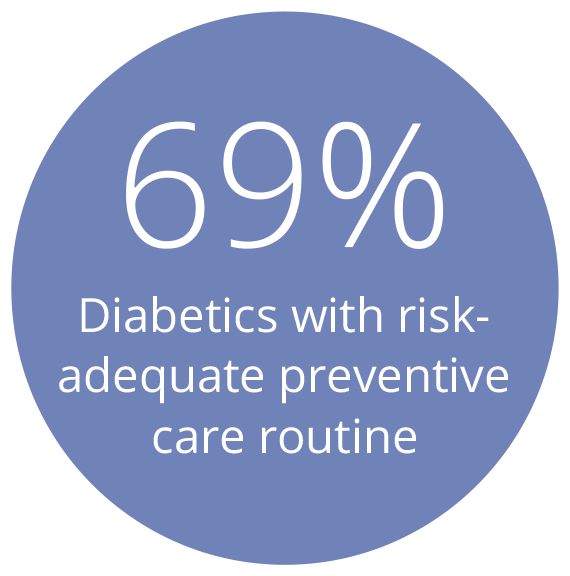
69 % of people with diabetes are considered to be at risk of diabetic foot syndrome (DFS).
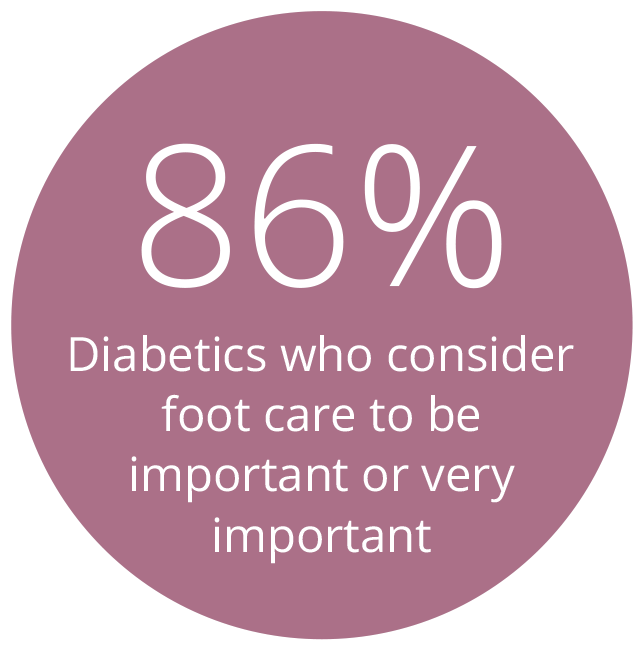
86 % know how important regular foot care is.
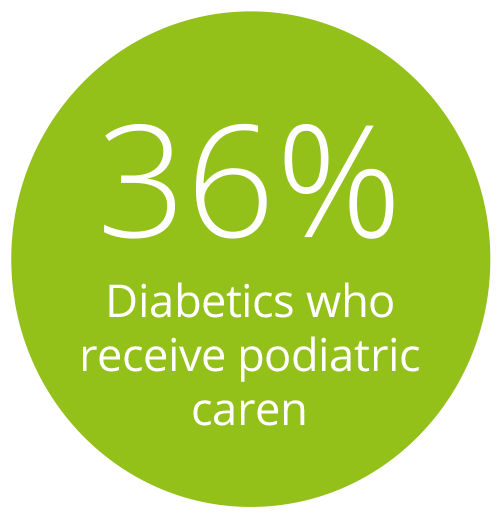
Nevertheless, only one in three receives podiatric treatment that would help prevent serious complications.
What doctors see
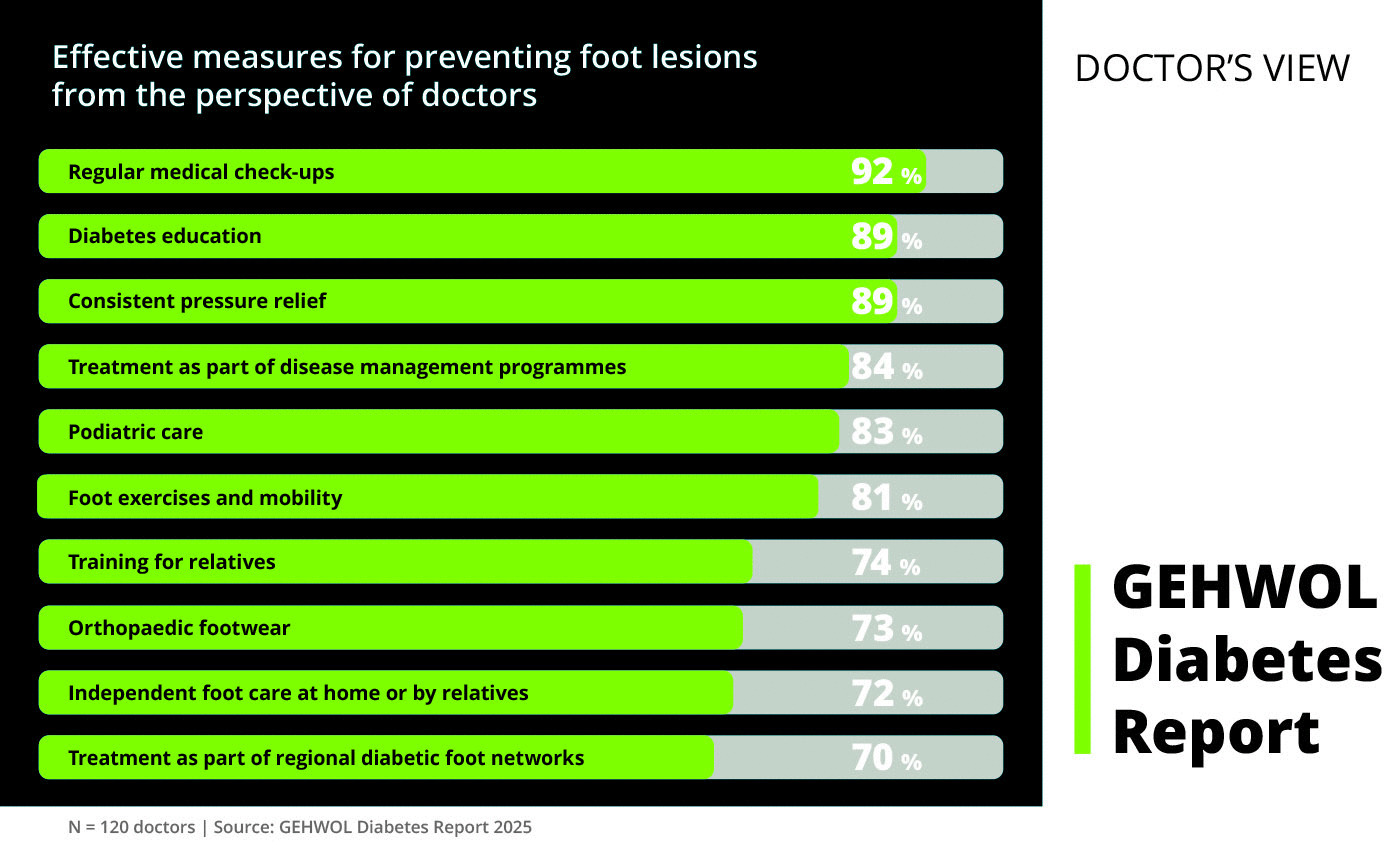
Medical professionals know that the earlier changes are detected, the better complications can be prevented. Regular check-ups, attending training sessions and collaborating with podiatrists are among the most important elements of preventive care.
In practice, however, prevention is often hampered by a lack of time, bureaucracy and a lack of incentives. Yet regional networks demonstrate just how well it can work: where doctors, podiatrists and advisors work hand in hand, the number and severity of foot complications decrease noticeably.
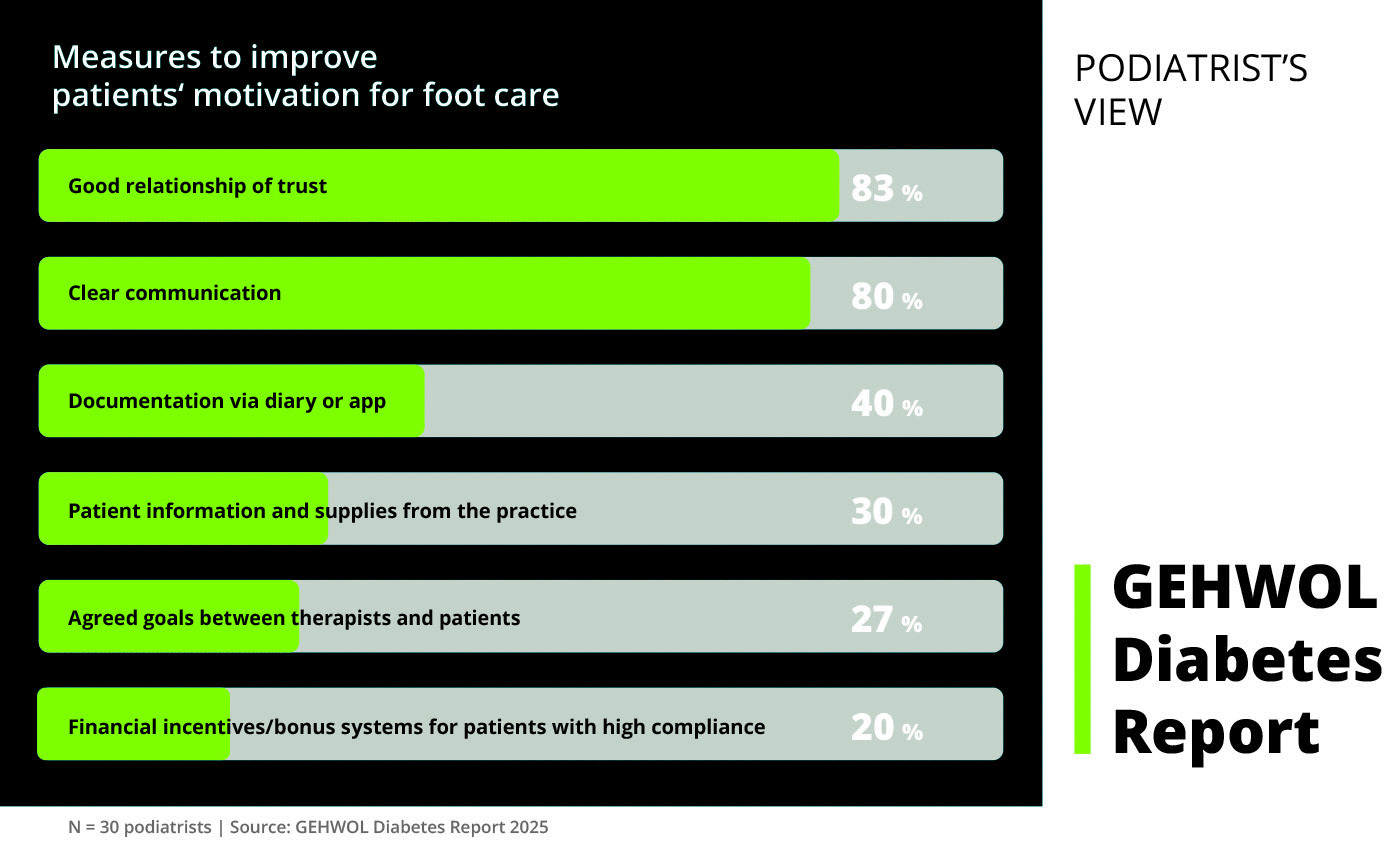
The most important factor for success: communication.
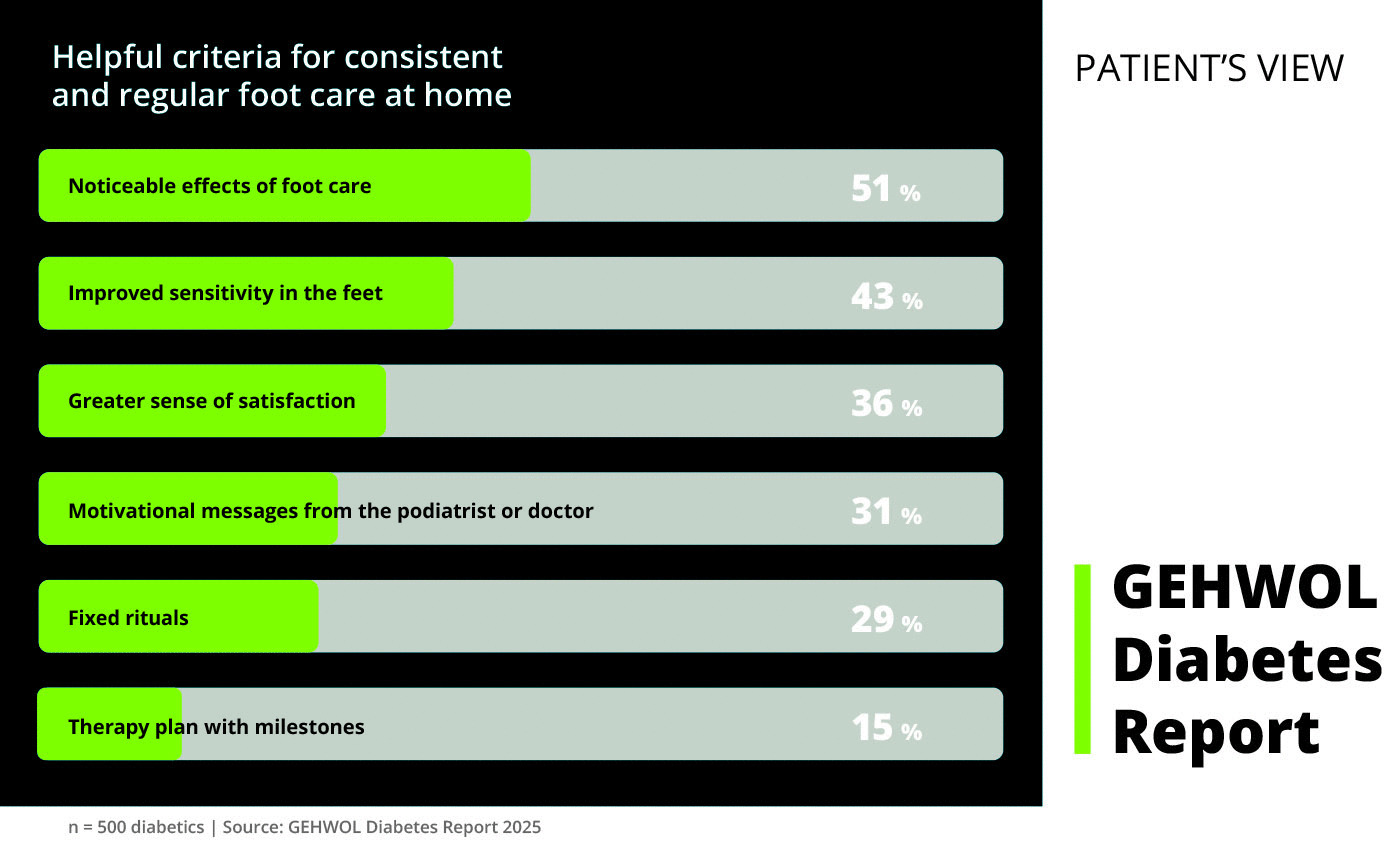
Patients need clear, understandable messages and the feeling that they are being taken seriously. Trust is the key to ensuring that recommendations are actually followed.

 Your basket is empty.